Sales

Logistics Business Proposal Template

Put together a logistics business proposal that covers your services, rates, and delivery commitments clearly enough for a shipper to read, compare against other quotes, and say yes.

Template preview
Scroll to explore
Prepared For [[custom.clientCompany]]
Prepared By [[sender.company]]
[[project.createdDate]]
Ref [[project.referenceNumber]]

Business proposal for logistics company: A Practical Guide

A modern proposal framework for procurement-led logistics engagements, built to present freight optimization, warehousing integration, last-mile visibility, SLA compliance, and route efficiency in a polished 2026-style client experience.
Designed as a clean digital proposal with bento-style cards, relatable logistics imagery, scannable decision-ready sections, and a structured agreement flow for fast commercial review.
Prepared for [custom.clientCompany] by [sender.company]. This proposal outlines how a logistics partner can improve shipment visibility, reduce avoidable transport cost, strengthen warehouse coordination, and support dependable operations at scale.

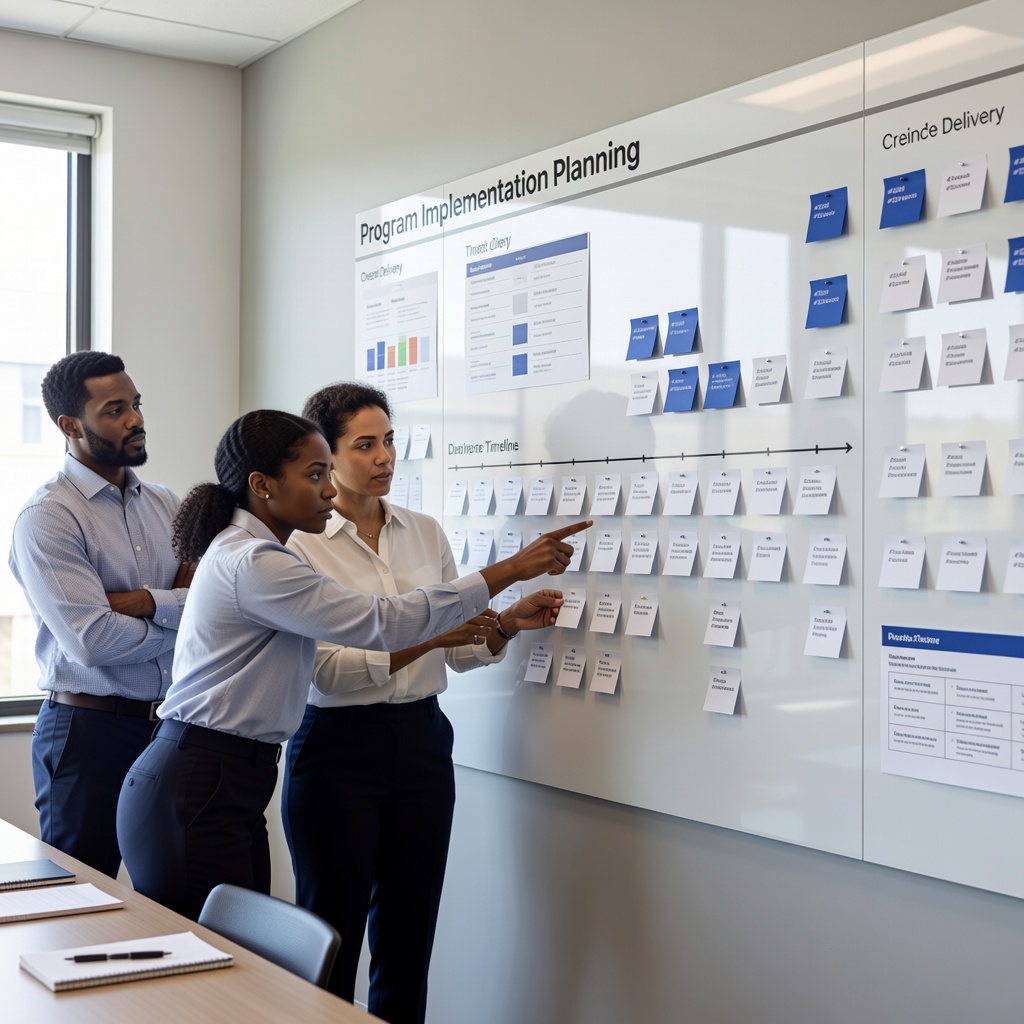
Executive Header & Company Overview

Freight Optimization
Inventory Visibility
SLA Compliance
Proposal Snapshot
This proposal is structured for logistics and supply chain buyers evaluating a partner that can unify transportation planning, warehousing workflows, shipment tracking, and service-level execution. The objective is to create measurable operational control while keeping rollout practical for day-to-day teams.
  • Improve route efficiency across regional and last-mile movements
  • Strengthen real-time shipment visibility for customer service and operations teams
  • Reduce manual coordination between freight management, warehouse handling, and delivery execution
Company Overview
A strong logistics provider combines transport coordination, warehousing discipline, and systems integration into one operating model. That means better fleet utilization, clearer inventory movement, tighter dock scheduling, and more dependable reporting for procurement and operations stakeholders.
  • Fleet and carrier coordination across inbound, outbound, and last-mile delivery
  • Warehouse handling support including storage, pick-pack, returns, and throughput planning
  • Digital enablement through WMS API setup, tracking portals, exception alerts, and performance dashboards
Operational Fit
The most effective engagements focus on practical execution: lowering preventable freight cost, improving ETA accuracy, increasing order-to-delivery transparency, and aligning warehouse activity with transport demand. Procurement teams gain a clearer cost model while operations teams gain a more resilient service workflow.
Important: the commercial value of a logistics engagement is not only lower shipping spend, but stronger predictability, faster issue resolution, and better customer-facing service reliability.

Key Team Leadership & Client Testimonials

Use this section to present the client-facing leadership team and reinforce delivery credibility with concise, operations-focused proof points.
Leadership Grid
Chief Logistics Officer
Owns network performance, transport strategy, carrier governance, and SLA accountability across the engagement.
Account Manager
Primary day-to-day contact for commercial coordination, issue escalation, reporting cadence, and renewal alignment.
Integration Lead
Oversees WMS API setup, tracking portal deployment, data mapping, and exception workflow configuration.
Contact Tags
Operations Escalation
Best for urgent service exceptions, delay recovery planning, and delivery disruption communication.
Commercial Coordination
Use for pricing clarifications, milestone approvals, and scope change review.
Implementation Support
Covers onboarding sessions, user enablement, portal access, and go-live readiness.
Client Testimonials
Regional Retail Distributor
“Their route planning and live tracking process gave our team a clearer exception workflow and noticeably improved last-mile predictability.”
Industrial Parts Supplier
“We reduced manual check calls, improved dock coordination, and gained a much better view of inbound and outbound movement.”
Multi-Site Consumer Brand
“The warehouse and transport teams finally worked from the same operational picture, which improved SLA performance and customer updates.”

Scope of Work: Challenges & Strategic Goals

Procurement and operations teams usually align fastest when the current-state problems and target-state outcomes are shown side by side. This page is designed as a comparison surface rather than a long narrative.
Operational Challenges
Delayed Transit Times
Inconsistent routing logic, handoff delays, and reactive exception management create avoidable delivery slippage.
Limited Shipment Visibility
Operations and customer service teams lack a reliable real-time view of shipment status, ETA movement, and delivery exceptions.
High Last-Mile Costs
Low route density, inefficient stop sequencing, and manual dispatch coordination increase delivery cost per order.
Warehouse Disconnects
Storage, pick-pack, and outbound dispatch are not fully synchronized with transport activity, leading to missed cutoffs and dwell time.
Strategic Goals & Objectives
99.2% On-Time Delivery
Target a more dependable service baseline by tightening routing discipline, exception management, and delivery monitoring.
Real-Time GPS Fleet Tracking
Give internal teams and customers better shipment visibility through a live tracking portal and event-based notifications.
15% Freight Cost Reduction
Lower avoidable spend through route optimization, shipment consolidation, and better carrier utilization.
Inventory & SLA Control
Improve warehouse-to-transport coordination so order readiness, dispatch timing, and service commitments stay aligned.
Working Scope
The working scope typically includes transport workflow assessment, route and carrier review, warehouse process alignment, WMS and tracking integration planning, driver and dispatcher onboarding, KPI definition, and post-launch performance monitoring.

Deliverables & Execution Timeline

Phase 01: Fleet & Route Audit
Week 1: Review routes, carriers, exceptions, and bottlenecks to establish a baseline.
Phase 02: Warehouse & WMS Integration
Weeks 2–3: Align workflows, configure system mappings, and enable inventory and dispatch visibility.
Phase 03: Tracking Portal & Driver Onboarding
Weeks 4–5: Launch tracking, train users, onboard drivers, and validate live event accuracy.
Phase 04: Full Operations Rollout & Performance Monitoring
Ongoing: Govern production with KPI reviews for transit, routes, issues, and SLA performance.
Execution Priorities
Fast Operational Baseline
Use real route, carrier, and exception data for practical recommendations.
Integrated Warehouse Signals
Connect warehouse and dispatch events to reduce visibility gaps.
Live Delivery Visibility
Provide a portal for ETAs, milestones, delivery proof, and exception tracking.
Measured Rollout
Launch with clear ownership, training, and KPI-driven improvement.

Financial Terms, Pricing & Payment Schedule

Service Pricing Component
Freight Management Service
Quantity: 1 monthly service program. Unit Price: [custom.freightManagementPrice]. Includes routing review, carrier coordination, exception handling, KPI reporting, and service governance.
Warehouse Storage & Pick-Pack
Quantity: [custom.storageQuantity]. Unit Price: [custom.storageUnitPrice]. Covers storage operations, order handling, pick-pack support, and outbound dispatch readiness.
API Tracking Integration
Quantity: 1 implementation package. Unit Price: [custom.integrationPrice]. Includes WMS API setup, portal configuration, event mapping, and live visibility enablement.
Billing summary: subtotal [custom.subtotal], taxes or surcharges [custom.taxOrFees], estimated total commercial value [project.value].
Commercial Notes
Pricing Basis
Commercials can be structured as fixed monthly management, per-location warehouse fees, implementation setup, or hybrid service pricing.
Review Window
Proposal pricing should be reviewed against shipment volume, lane complexity, storage profile, and integration scope before final execution.
Change Control
Material scope expansion, added locations, or new integration requirements should move through a documented commercial revision process.
Payment Milestones
30% Onboarding Deposit
Due on approval to reserve capacity and begin discovery and assessment.
40% Integration Completion
Due upon completion of integration setup, validation, and client review.
30% Operations Go-Live
Due at production rollout once workflows, visibility, and monitoring are active.

Logistics Service Sales Contract & Digital Agreement

This closing section summarizes the commercial agreement in a concise, executive-readable format while preserving a professional approval flow.
Scope
Services include the agreed freight management, warehouse coordination, systems integration, onboarding, and reporting responsibilities described in this proposal and any approved commercial schedules.
Warranties
Each party will perform its responsibilities in a professional manner and maintain the operational, technical, and compliance standards reasonably required for the engagement.
Applicable Law
The final agreement should specify the governing law and jurisdiction applicable to the commercial relationship and any dispute process.
Default Conditions
Non-payment, material breach, repeated non-performance, or failure to meet agreed contractual obligations may trigger suspension, cure periods, or termination rights as set out in the final contract.
Digital Approval
On behalf of [[sender.company]]
SENDER
Sign by Typing or Drawing Name
Questions before signature may be directed to [sender.email] or handled through the commercial contact assigned in the leadership section.

Trusted by 100+ businesses that sell expertise

Evoke Strategy
Uffizio
Charge&Go
Aktiv
Story99
Scribd
Prolexity
Hero
Accenture
Vyapar
Storyboard Films
Infosys
TCS
FinoWorks Technologies
Growlity
Evoke Strategy
Uffizio
Charge&Go
Aktiv
Story99
Scribd
Prolexity
Hero
Accenture
Vyapar
Storyboard Films
Infosys
TCS
FinoWorks Technologies
Growlity
Evoke Strategy
Uffizio
Charge&Go
Aktiv
Story99
Scribd
Prolexity
Hero
Accenture
Vyapar
Storyboard Films
Infosys
TCS
FinoWorks Technologies
Growlity

Logistics Business Proposal Template

Freight and logistics deals often stall because the proposal buries pricing and service levels in dense paragraphs. This business proposal template for logistics companies gives you ready sections for services offered, coverage area, pricing, service levels, and next steps, so you make the case in a format shippers can scan quickly. Built as a practical logistics proposal template, it keeps the details organised instead of buried in text.

The proposal generates in your company's branding and adapts to each shipper or route you quote. Share one link the client opens on any device, and keep every proposal filed by account so past terms and rates are easy to reference.

What's Included

Everything you need to create a professional proposal

Professional Design

Fully Customizable

Ready to Use

Mobile Responsive

How to Use This Template

Get started with your professional proposal in just a few simple steps

1

Choose Template

Select this template and click "Use template for free" to get started

2

Customize Content

Fill in your details, add your branding, and tailor the content to your needs

3

Send & Track

Send your proposal to clients and track when they view and approve it

Who Benefits From Logistics Business Proposal Template?

Freight, warehousing, and fleet teams get the most from a proposal that lays out rates and service levels clearly.

Logistics Sales Manager

Send a proposal that leads with coverage and service levels, so pricing reads as fair rather than just a number.

Operations Director

Set clear service-level expectations in writing before a contract starts, reducing disputes over delivery commitments and timelines later.

Fleet Manager

Quote routes and capacity accurately using a consistent structure, keeping every proposal aligned with actual fleet availability and cost.

Account Manager

Share one clean link with each shipper and keep every quote filed by account for easy reference at renewal.

Frequently Asked Questions

Everything you need to know about using this template

A logistics business proposal should include the services offered, coverage area, pricing, service-level commitments, and next steps. Setting clear service levels in writing upfront gives both sides a shared reference point if questions come up once the contract is underway.
Yes. Generate the first draft from a short prompt, then use AI to rewrite, tighten, or restructure any section in seconds.
Open with the services and coverage you offer, lay out pricing and service levels clearly, then close with next steps. A simple proposal like this lets a shipper compare your offer against others at a glance.
Fully. This proposal is editable end to end in the drag-and-drop editor, so you can add, remove, or reorder sections and reshape the layout to match how you quote each shipper.
Yes. Add your own sections straight into this proposal template or ask AI to draft them, then drag them into the order you want.
Yes. Your logo, colours, and fonts are pulled from your website and applied automatically, so the proposal looks on-brand without any manual design.

Win logistics deals with clear proposals

Start from a ready rates-and-service layout and fill in only what matters, instead of negotiating terms over scattered emails.

Free forever.
No credit card.